The Stillness Project
A meditative, AI-adaptive digital space designed to reduce stimulation — not extract attention.
Overview
The Stillness Project asks a simple question with high UX stakes:
Can a digital product make people feel calmer — not with prompts or programs, but simply by changing how it behaves?
The result is an immersive web experience where AI listens only to behavioral pace (not identity) and gently adapts the environment to the user’s emotional rhythm.
No streaks, no metrics, no notifications — the system offers relief from performance culture, not a prettier version of it.
Timeline
1 week
Tools Used
Figma, Chat GPT, Google AI Studio
Team
Solo project
Design intent
My goal is to create a space that
○ meets users where they are, not where the product wants them to be
○ adapts softly, not optimizes aggressively
○ supports emotional pacing rather than productivity
Success is measured not by engagement time, but by:
○ lowered cognitive demand
○ faster emotional settling
○ reduced sense of being “seen” or “evaluated”
Research Insights
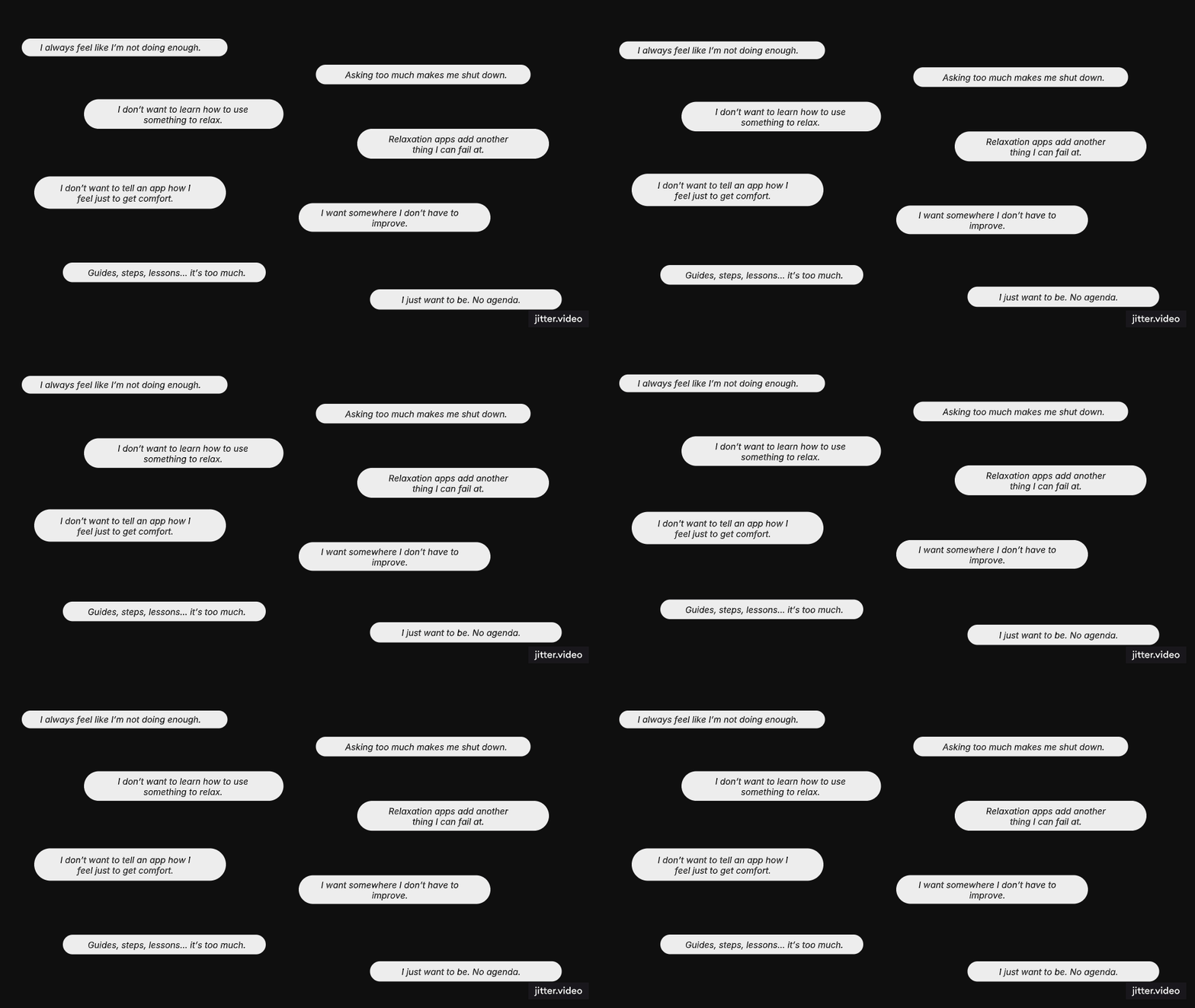
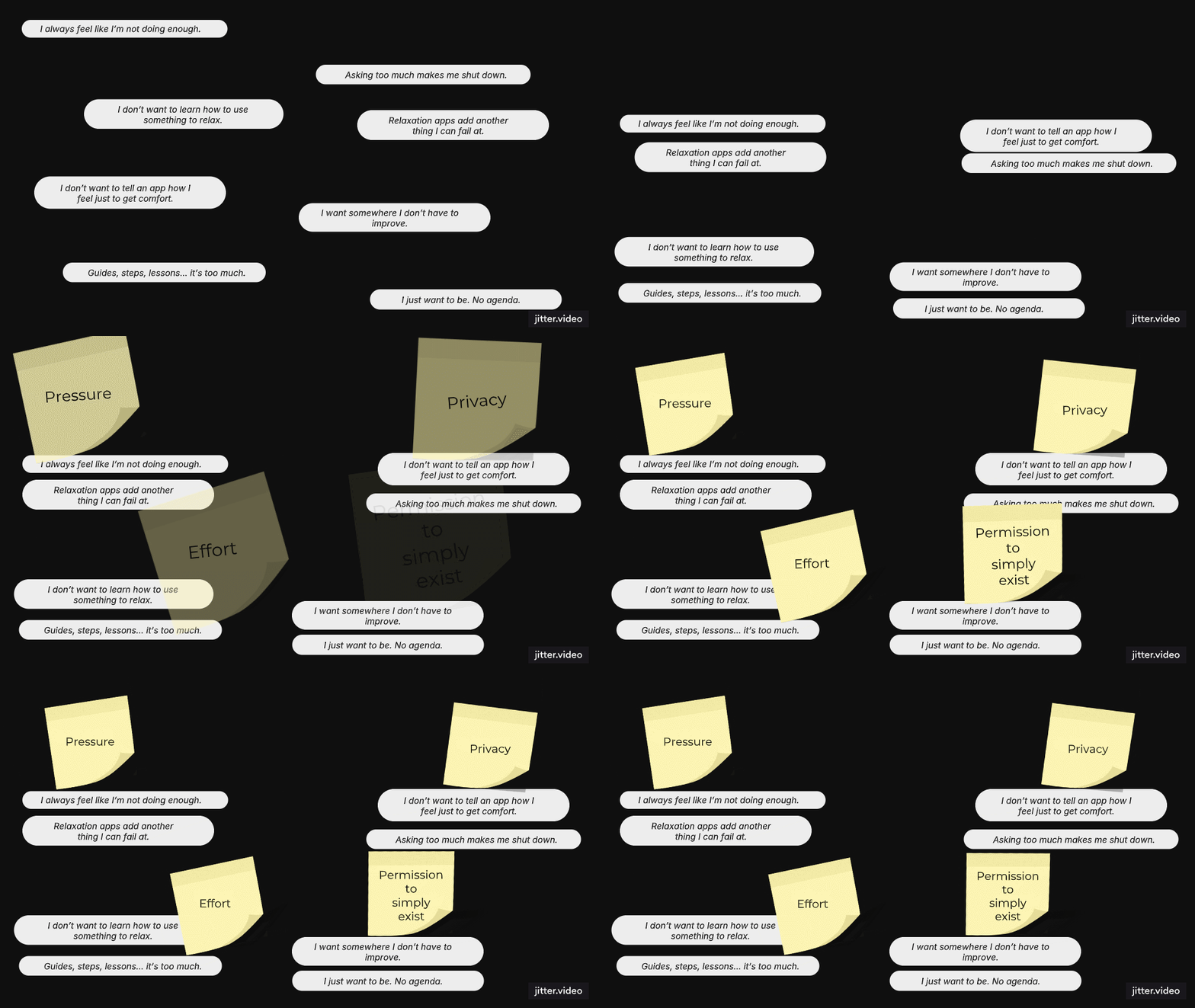
○ People want technology that creates space, not tasks
○ Calm experiences fail when they become performance-driven (streaks, timers, rewards)
○ Users trust systems that don’t ask first — comfort precedes disclosure
○ Personalization is welcome only when it is invisible, reversible, and nonjudgmental
○ Personalization is welcome only when it is invisible, reversible, and nonjudgmental
○ Emotional support works best when nothing is expected from the user
AI Interaction Strategy
Human-centered not data-centered
The system adapts only to pacing — not identity. Calm personalization, not emotional prediction.
Calm is not just the visual language — it is the governance model of the system.
○No identity collected
The experience adapts without knowing who the user is.
○No accounts or tracking
Nothing is stored in the cloud and nothing follows the user across sessions.
○No emotional labels
The system never tries to guess or classify how someone feels.
○Local personalization only
Adaptations happen on the device and disappear when the user closes the experience.
The Stillness Project proves that AI can be supportive without being invasive — personalization can protect space rather than take it.
Experience & Interaction Design
A space that reveals itself gently
The four layers reinforce a single idea
Technology can shape itself to the user’s rhythm, not the other way around.
Instead of a linear flow, the experience deepens in emotional presence: